Showing posts with label Freelancers. Show all posts

What if VFX Facilities Didn't Exist?


A friend and I were discussing the future of VFX today.  To be honest, I haven't thought about animation much over the holiday.  I have been enjoying the time off and time to sleep and hibernate.  But... I go back into the big machine next Monday and with the news of another studio closing on the heels of the Asylum FX announcement - this is weighing on my mind again.  "Bye bye" vacation - back to reality.

My colleague started talking about unions and I argued: "A union at this point will only help a symptom - not the disease.  A biz model based on undercutting the competition until you are working with a budget that equals bone and ligament cannot survive for long.  VFX studios are so poorly managed and they have backed themselves into a corner where they have absolutely no position to negotiate.  To underbid a show simply to get work into the studio is not a good idea.  On top of this... the VFX studios cannot agree to organize themselves into any type of group that could lobby with the production studios for better budgets trickling down better wages and working conditions for artists."

Then, he said - "What if artists worked directly for the Production studios like everyone else?"  After our chat, I am convinced that the only way to save the VFX biz model is to start over completely and eliminate the VFX studios entirely.   Why not go back to square one and work directly with the studios on the lot?  Like all of the other production for movies is handled?  At first, I told my buddy, "...that can't work because the VFX pipeline is so different than live action."  But, maybe not?  Maybe that is the problem?  The current VFX biz model doesn't work, so why would we try to replicate it on the lot.  Maybe a new approach is a good one?  So much has changed technically in how we create animation and VFX with computers today, that maybe we need to rebuild?


Here are a couple articles discussing this issue:


talk amongst yourselves.



How NOT to hire an artist


Everyone working in any creative company should read this article.  


My favorite quote from the article: 

How NOT to find an artist:  "Do not look for either professional artists, or an artist that has done a lot of game design work in the past."

Jon Jones:  "This is the stupidest thing I’ve ever read. Don’t hire experienced professionals? This guy must not value his time at ALL"


Scott Ross for President

Everyone should listen to this interview...


This is the most articulate, solution oriented conversation I have heard yet on this subject.  If the VFX shops are awarded the money, respect, education, and deserved appreciation Ross proposes a trade organization would provide... I am confident there would be trickle down to the employees.  Ten years ago, these needs (401k, benefits, fair hiring practices) were being met.  Some shops back in the day even had car washing, dry cleaning services, meals provided, studio sponsored parties, etc.  VFX shops managed to provide these things to artists even on a "next to nothing" profit margin.  Then, times changed.  The movie studios told shops you have half the budget , twice the work, and half the time... even though profits on VFX driven films are higher than ever.  Studios told the shops, if you don't like it, the shop down the street beet your bid by 150k!  So, the VFX shops began to hire cheap labor just to make ends meet.


The VFX companies are not the enemy in this situation and the situation is not personal.  What have we got to lose?  If the shops don't organize and fix the situation now, they are out of business anyways.  Then, no one has a job. If the VFX shops paid dues to a trade organization like artists do to the VES, we might get somewhere.  As long as the new trade organization does the job presented to them and isn't fluff and just talk, like some organizations we know.  I think this is what Scott means by he would be willing to help organize as long as people made a commitment to the mission.  If shops all agreed to pay dues to get the organization started, they might have a fighting chance in this as Ross put it "race to the bottom."


I also agree completely with Ross on a Union.  The biz model for VFX shops is not one that could work with a Union. at this time  The issues that artists have with the shops  (401k, benefits, fair hiring practices) are only symptoms of the bigger problem.  VFX was never working off of fat, it was lean muscle ten years ago... now we are cutting ligaments and bone as far as budgets and any profits.  There is no room for negotiating.  A union could help after we recover from the current circumstances... possibly, but I do not see how a Union would fix the profit margin issue between the Movie Studios and FX shops.  How would a union deal with Runaway Production.  I am curious how are they handling it now?  I am pretty sure 2D ran away to Korea... no?


The one thing that did bother me in their talk was when they said the whole issue since the town hall "died because people are working."  I know more people out of work than ever.  Artists have no power, no money, no leaders, no experience in this stuff and mouths to feed.  We feel helpless.  That is why it died.  If the VFX studios have no cash, you think out of work artists do?  So, artists go overseas to help the lack of local talent for 1/3rd of their salary on even smaller budgeted movies and leave their wife and kids behind to keep a roof over their heads.  It's the unskilled talent pool overseas that needs our artists to make the incentive program work.  Again, worst biz model ever.  And I digress..  Anyways, it's the first real discussion I have seen anywhere so far.


Protecting Yourself as a Freelancer


A friend of mine has posted a blog recounting the way he was treated by a studio as an artist. He documents the entire process he used to protect himself with legal correspondence over a disagreement in compensation.


I have several studios who still owe me money from 2007-2008 because I did not employ the documentation he used. I am not incorporated and if I had pressed with legal action against these studios, they would have owed me tens of thousands of dollars in penalties, on top of wages owed. I didn't press out of fear of being blacklisted by the studio. Ironically, I would never work for these studios again because of how I was treated. I create a statement or work now and require the DP to agree to all points before starting any gig, so we are all on the same page.

In addition, there has been a lot of talk lately about EOR (Employee of Record) organizations and the rights of freelancers. Employees are often misclassified as Freelancers. The EOR's protect the studios by offloading the expense and liability of dealing with freelancers.

To get a really good idea about EORs and
The Freelancers Dilemma, check out these links:


This is how MBO handles your check:

If you are paid via MBO, they take 2-5% fee for processing your payroll depending on what the studio negotiated with them.

Then, the normal employer's tax is taken off your wages first...
e.g. Social Security, FUTA - federal unemployment and training, and in California: SUTA - State Unemployment .

Then they will run payroll, and the employee's tax is taken off: Federal Withholding, State Withholding, Social Security and Medicare. Note: Social Security is taken out
twice - you are, in effect, paying double the Social Security tax because the employer pays zero.

The only benefit of MBO, is that you can collect unemployment because you are an employee of MBO and not operating under a 1099/contractor classification. Which is only right because you are paying the employer portion of unemployment taxes in addition to your own. So, unless you collect it, you'll never get that money back. MBO gets the studios off the hook with the IRS, but it doesn't make the comply with state law regarding classification of workers, pay periods or overtime laws.

MBO also doesn't pay on-time - at least in the State of California. They may invoice the company weekly for your work, but it takes them a few days to issue the invoice. The company has ten days to pay MBO. If MBO receives the money by Tuesday, you may get paid Friday, otherwise you'll get paid the following Friday. You'll be waiting 3 or 4 weeks for that first check.

In California, its illegal:

In California, wages, must be paid at least twice during each calendar month on the days designated in advance as regular paydays. The employer must establish a regular payday and is required to post a notice that shows the day, time and location of payment. Labor Code Section 207 Wages earned between the 1st and 15th days, inclusive, of any calendar month must be paid no later than the 26th day of the month during which the labor was performed, and wages earned between the 16th and last day of the month must be paid by the 10th day of the following month. Other payroll periods such as weekly, biweekly (every two weeks) or semimonthly (twice per month) when the earning period is something other than between the 1st and 15th, and 16th and last day of the month, must be paid within seven calendar days of the end of the payroll period within which the wages were earned.


MBO helps companies evade payroll taxes by forcing each of their employee's to pay said payroll taxes on top of paying the employer's normal payroll costs in the form of the MBO fee.

Win win for the employer, and lose lose for the artist.


Free Advice for Freelancers in 2009

Reflection on our Industry in 2008
As 2009 approaches, reflection on the VFX/Animation industry in 2008 causes one to pause for a moment. Just about every animator I know has money owed to them from past due invoices for this past year. Including myself.

The economy, no doubt, is to blame...among other things. Budgets in film, TV and commercials are lower than ever. Studios are not being paid by the client and are asking for 75% up front before even starting a show. Colleagues have confided that they are being forced to accept smaller bids than ten years ago. Bids for a shot that would have taken 4-5 days are now being pushed for only 1 day. The bigger studios are focusing on the younger animators to get the lower pay rates and meet the smaller budgets. Smaller studios are outbidding the bigger studios, but need to hire experienced artists and TD's because they do not have the talent pool in house and on staff. And, of course, if that all wasn't enough??? we have overseas production putting the squeeze on everybody.


The new pay policy for freelancers at the little studio
Due to the smaller studios employing more seasoned people to get the job done, there seems to be a disconnect as to how freelancers are paid. The average workforce at a smaller studio is a few staff employees and a regular flow of less seasoned freelancers who will take any job they can to get the experience and skills they need to move up. However, the VFX/Anim veterans have expectations for hours and pay that they are accustomed to and assume will be respected.

I thought about offering a list studios who owe artists money from 2008 here on the blog. I really did. But, I don't think that would be constructive and I try to give people the benefit of the doubt. Instead, I though it better to offer advice in establishing freelancer wages and pay schedule. The advice below should help the freelancer navigate the the new tactics by studios to keep more cash on the books... and less in your bank account.

The Norm
Before I state the NEW strategy for freelancers accepting employment... I should point out MOST animation and VFX studios like DD, Sony, R & H, Dreamworks, Disney, Pixar, Jim Henson Studios, Luma Pictures, Colorado FX, Duck Studios, Super78, CafeFX/Syndicate, Engine Room Design, Zoic, Artifact Design, Amalgamated Pixels, Sea Level, Giant Steps, Asylum FX, and more!!!! follow
the standard and legal policies at a workplace. I can confirm that these studios follow the California State Work Policy defined below.


California State Work Policy
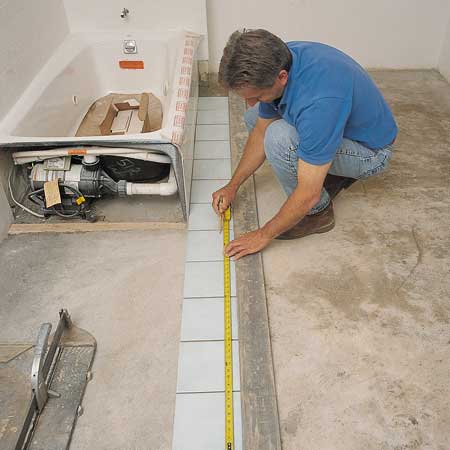
It is a requirement for all employment to not only be paid on a bi-weekly schedule starting the first day of employment, but also be paid the balance owed on the last day of employment. This is not only the law for any personal services, freelance or not, but it is the standard work policy. This is why so many freelancers are confused by 30 day net policies and refusal to pay invoices, even after 90 days. These artists are required to be at the studio by a certain time, are using the studio's equipment and report to a specific individual. These artists are not laying tile in your bathroom or selling you oranges in bulk. Therefore, a 30-day net policy doesn't legally apply.

a real contractor; using his own tools, working his own hours, reporting to no one

What is a 30 day net policy?
A 30-day net policy states that you will be paid 30-days after submitting an invoice, including weekends and holidays. All invoices are due and payable 30 days after the invoice date. This means the first paycheck for one week of work will be paid 5 weeks after you have started employment. Sometimes the invoices are "lost" or "not received until a much later date than originally sent" and a new one has to be submitted again and the cycle starts all over again. Some studios try to say weekends or holidays do not count, but this is not the legal definition of a 30 day net.

The first 30-day net policy I encountered was because I wasn't told and didn't know to ask. After that, I ask every prospective employer what their pay policies and schedules are. The more we hold 30-day net policies as unacceptable, the less they will be imposed. The bigger studios wouldn't play these games with freelancers because they know the law and take pride in their reputation in the industry. 15-day net policies apply to the same strategies as the 30-day and are subject to when the 15 days begin. Invoices can be lost, interpretations of when a 15 day net begins can be skewed.

The larger studios that follow California work policies understand it's less expensive to hire a proper bookkeeper and payroll company to handle wages. It's less work for the controller if people are on direct deposit and regular pay schedules. They also understand they are more likely to have good artists return, if they have a good payroll system.

The Advice
Here is my advice to freelancers interviewing with any studio that is not listed above as a studio that follows CA State Work Policy or a studio you have not already established a working relationship with in the past. This might all seem like common sense, but if points are assumed once they are discussed in email and not followed up in writing, there is room for people to waver on the agreement.

1. BEGIN/END DATE: Establish how long the project is and if there will be any holds placed beyond the term of the project. (Continue to communicate if you take the job about the dates of the hold as you get closer to the end date, so there are no surprises and you are let go earlier than you imagined.)
2. HOURS: Ask about the hours and set your rate for a 40 hour week. Make it clear that hour beyond the first 40 worked fall under Over Time rates of time and a half. You must make this clear or suffer later when it is open to interpretation.
3. PAY SCHEDULE: Ask when the next pay period is and what the pay schedule is at the studio. The more artist do not agree to a 30 day net policy, the less studios will try to implement it.
4. END DATE WAGES: State that you expect to be paid in full on your last day of employment the balance of what is owed for wages worked.
5. HOLIDAY PAY SCHEDULE: Ask how wages are handled during holidays, if any fall during you time working there. Just because people are not in the office doesn't mean you do not get paid.
6. TO TAX OR NOT TO TAX: Establish if you will be on payroll or invoicing the studio.
7. MANAGEMENT: Ask who you will be reporting to directly. This will help you if there is a problem because you know exactly who in the chain to go to first.

GET IT IN WRITING!!!! Once all of this has been agreed upon, ask for a deal memo to be typed up stating these points and emailed or faxed to you.

Again, much of this seems common sense and we all take it for granted because it falls under CA Work Policy. Most studios respect bi-weekly pay schedules and Over Time pay as their everyday business systems and policies. But!!! not all do anymore. There is no real animation union fighting for the rights of TD's or artists today and no one to turn to if you are not paid, other than the Labor Board. If you do not spell out every single point regarding your employment and pay, you have no recourse. The smaller studios employ an irreverent regard for the people who work for them. Not all, but the majority of the small studios do not value the people who come in and get the job done and then leave the studio with a happy client.

If you ask the right questions and put the answers in writing, there is less likely to be any disagreements or misunderstandings as to what the terms of your employment are. It's unfortunate that things need to be spelled out like this, but it's my experience that this will limit the disputes as to when you will be paid and how much, along with other expectations. Most studios will ultimately respect your attention to the details.

In keeping the tone here on the positive side...
Please post in the comments area
if you work at a studio that follows the California State work policies. We should give props to the studios who are doing the right thing by their employees, even in this this bad economy. I hope this helps other freelancers, because myself and many of my colleagues have learned the hard way in 2008.